



In 2026, Metinvest marked its first 20 years of operation. The company with Ukrainian roots promotes Ukrainian industry across the globe. However, its journey towards becoming a modern international business began in Ukraine with the large-scale modernisation of its own enterprises and the adoption of world-class production practices.

This is the very approach that has been implemented at Zaporizhstal. Every major investment project simultaneously addressed environmental challenges by reducing emissions to the atmosphere and resource consumption, introducing closed-cycle water systems, and recycling production waste.
Many of the solutions implemented at Zaporizhstal later became benchmarks for other enterprises in Ukraine's mining and steelmaking industry.
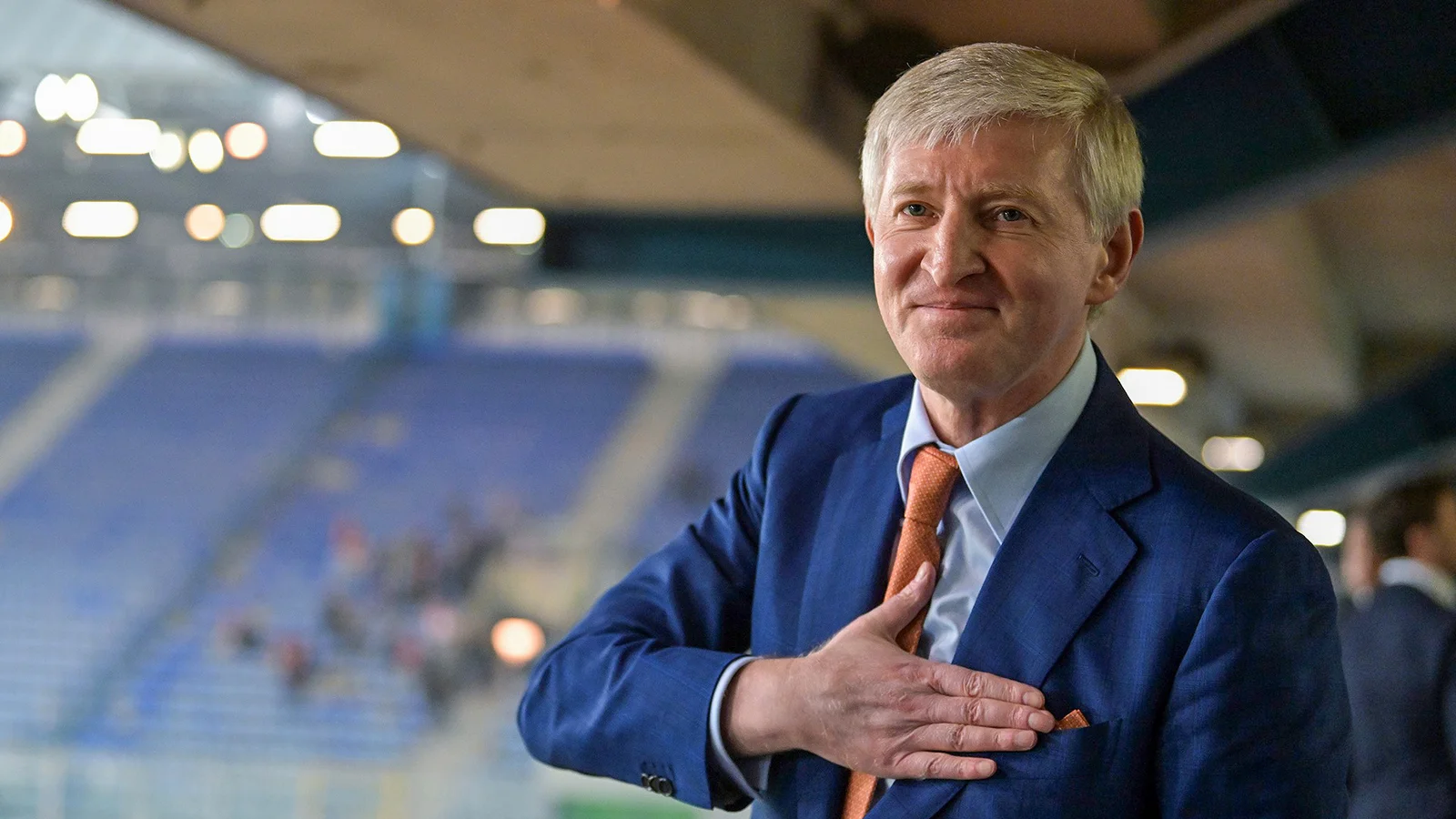
In 2013, while visiting Zaporizhstal's sites subject to the environmental modernisation, Rinat Akhmetov, a Ukrainian businessman and founder of Metinvest Group (which includes the Zaporizhzhia enterprise), said:
"Zaporizhstal has great traditions. We have great ambitions. And we have two main priorities: economic performance and environmental responsibility. This cannot be achieved without major investment. Despite the current crisis in the global steel market, we will continue to actively support modernisation. I am confident that we will build a strong economy. I am also confident that Zaporizhzhia will have clean air. Everyone will benefit from this — the enterprises, our workforce, the city, the region, and the country."
Even Closer to Energy Independence
In December 2012, a state-of-the-art coal base warehouse was commissioned at Zaporizhstal, complementing the pulverised coal injection (PCI) complex that had been put into operation in October 2011. For the plant, this marked an important step towards energy independence, providing its blast furnace operations with an alternative to natural gas.
The technology involves grinding coal into a fine powder before injecting it into the blast furnace hearth. This enabled the plant to partially replace natural gas in the production process and increase blast furnace productivity by an average of 10–15%.
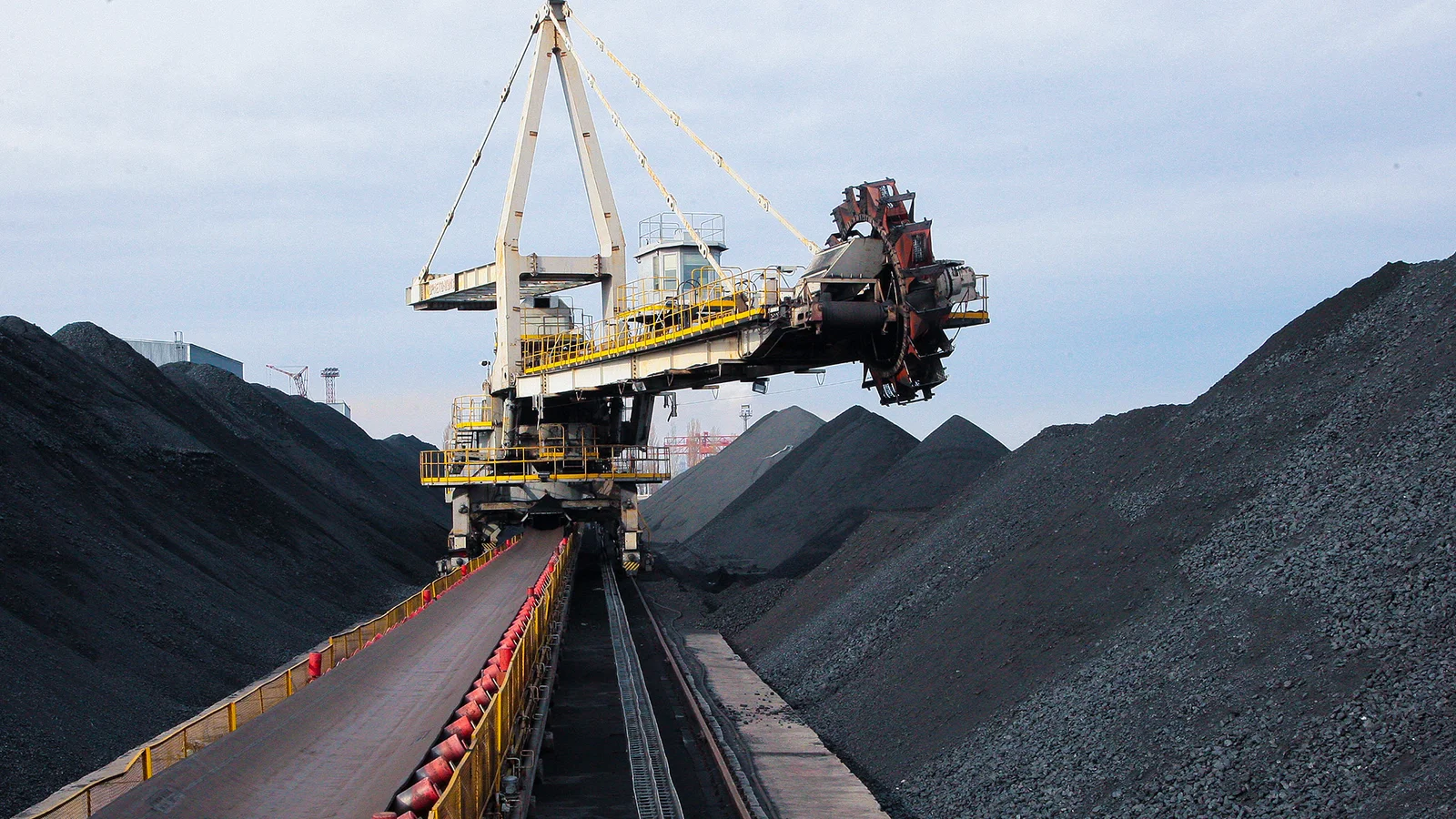
Besides delivering economic benefits, the project contributed to more efficient energy use and improved the resilience of production.
The total investment in the project amounted to UAH 1 billion, of which UAH 350 million was allocated to the construction of the coal storage facility.
Modern Bag Filters for the Sintering Machines
The biggest environmental challenge for the enterprise has traditionally been its sintering and blast furnace productions, which are the main source of industrial dust. That is why their modernisation became one of the priorities of Zaporizhstal's environmental programme.
Since 2012, the enterprise has been upgrading the gas cleaning systems on all six sintering machines in phases. Initially, Sintering Machine No. 1 was equipped with a modern electrostatic precipitator, while Sintering Machines Nos. 2-6 were equipped with bag filters, which demonstrated significantly higher cleaning efficiency. Later, the same solution was implemented on Sintering Machine No. 1.
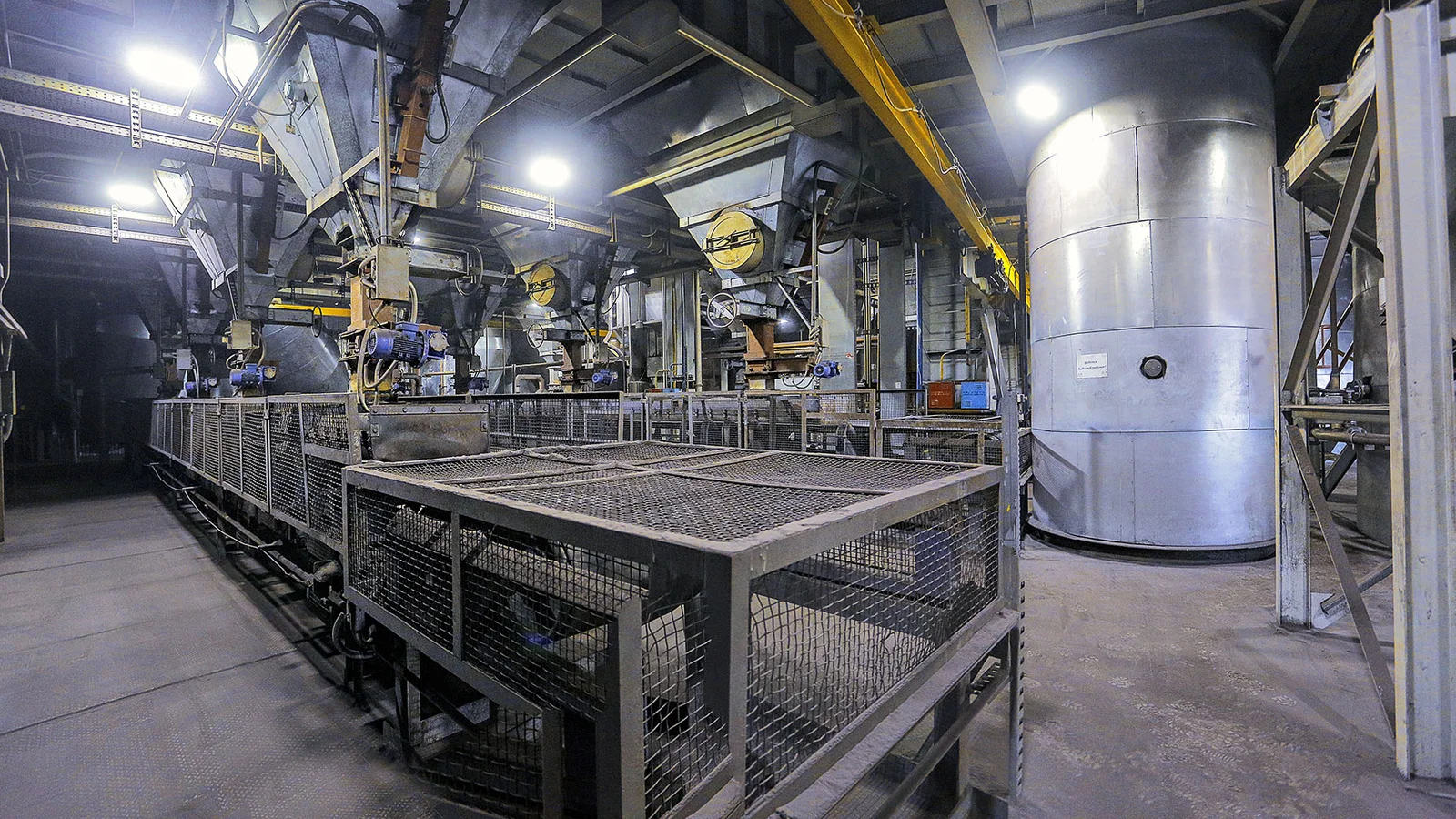
An important feature of the project was the integration of the gas cleaning equipment directly into the technological process of the sintering machines. The exhauster simultaneously supports the sintering process and conveys polluted air to the bag filters.
The operation of the sintering machines without their gas cleaning systems is technically impossible. The gas cleaning systems may only be shut down during scheduled maintenance of the equipment.
The modernisation delivered one of the most significant environmental improvements in the enterprise's history. Dust emissions were reduced by 90%, while sulphur oxide emissions were cut by 50%. The gas cleaning systems on Sintering Machines Nos. 1–6 clean the air to a dust concentration of 30 mg/m³ and a sulphur dioxide concentration of less than 400 mg/m³. To maintain high operating efficiency, the equipment is regularly inspected and undergoes scheduled maintenance, including the planned replacement of filter bags.
Additionally, the enterprise reconstructed the dedusting systems serving the tail parts of the sintering machines, where finished sinter is crushed and discharged. The new systems increased the volume of air treated by 1.5 times, from 1.6 million to 2.4 million cubic metres per hour.
Total investment in the modernisation of the gas cleaning systems at Zaporizhstal's sinter plant amounted to over UAH 1.5 billion.
Metinvest Invested Over UAH 20 Billion in the Modernisation of Zaporizhstal Since 2012
New Dedusting Systems for the Blast Furnaces
In 2014-2017, Zaporizhstal undertook a major reconstruction of Blast Furnaces Nos. 2, 3, and 4. In addition to upgrading the main equipment, each blast furnace received modern dedusting systems for the cast house and the stock house. As at the sinter plant, air is cleaned using bag filters. The new systems ensure a dust concentration after treatment of up to 20 mg/m³.
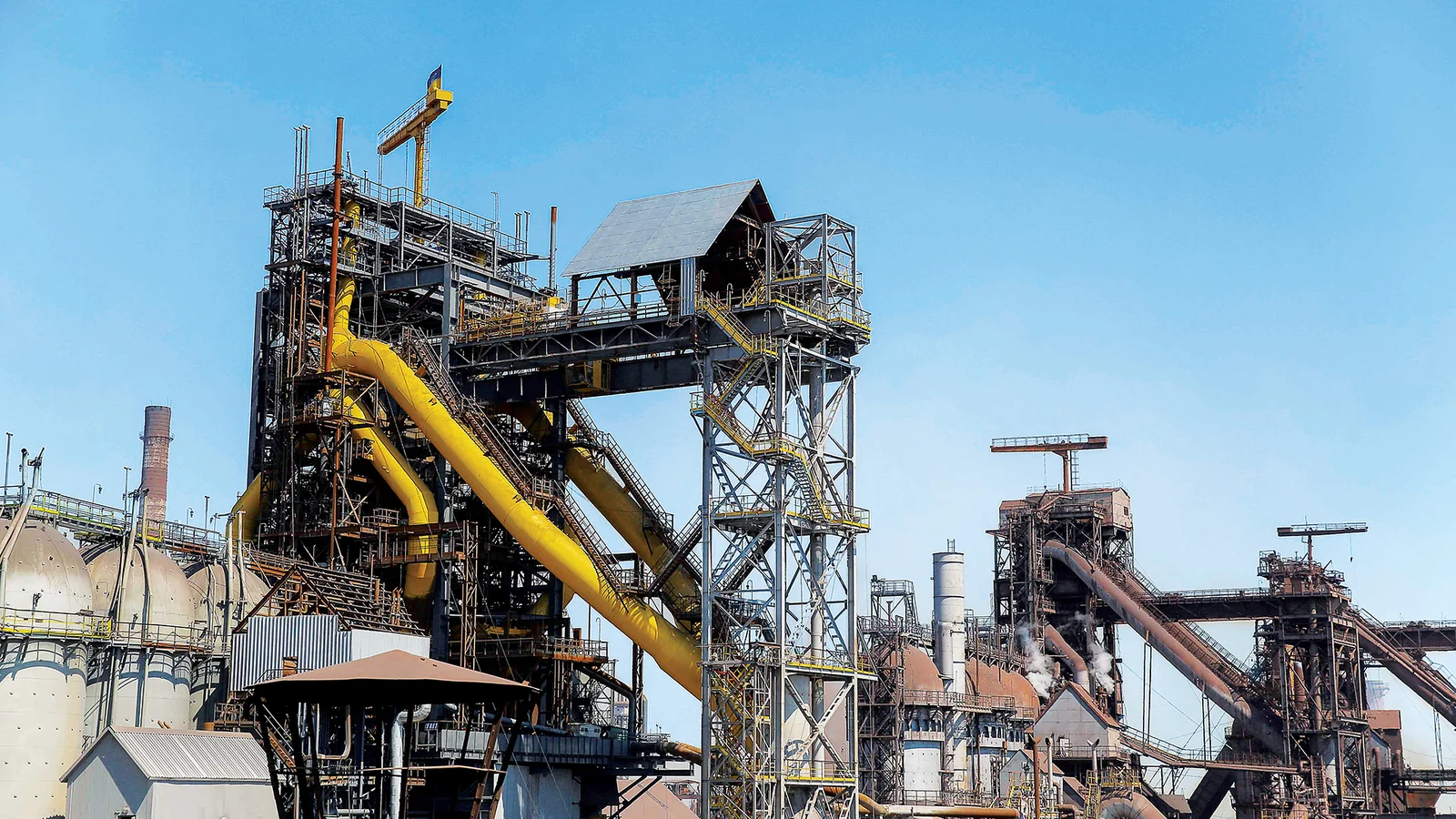
A special place among these projects is occupied by the reconstruction of Blast Furnace No. 3. During the project, the enterprise became the first in Ukraine to create a AI-powered digital model of a blast furnace. Artificial intelligence analysed more than 15,000 drawings and helped to detect more than 11,000 potential errors at the design stage.
To install the large-scale structures, specialists used the unique Mammoet crane, specially delivered from the Netherlands. The combination of digital modelling and modern installation technologies enabled the reconstruction period to be reduced from two years to eight months. In 2018, this achievement was entered into the Ukrainian Book of Records.
Total investment in the modernisation of Zaporizhstal's blast furnace production exceeded UAH 4 billion.
At the end of 2021, the enterprise began construction of a new dedusting system for Blast Furnace No. 5. The project was due to be completed in 2022 after the unit's major overhaul. However, because of the full-scale invasion, the work was suspended, and the blast furnace was decommissioned.
Water Recovery Technologies
Zaporizhstal implemented projects aimed at the rational use of water resources and reducing the pressure on natural water bodies.
One of the key projects in this area was the construction and commissioning in 2014 of Continuous Pickling Line No. 4 (CPL-4) and a hydrochloric acid regeneration unit. The transition from pickling with sulphuric acid to hydrochloric acid enabled the enterprise to address several challenges simultaneously.
First, the impact of sulphuric acid fumes on the working environment was eliminated, and their emissions to the atmosphere were reduced.
Second, the surface quality of cold-rolled products was improved due to more effective removal of scale formed during the previous stages of production.
Third, the enterprise stopped discharging neutralised pickling solutions into the Dnipro River, as they are returned to the production cycle after regeneration. The recovered scale, which is essentially iron, is also reused in production.
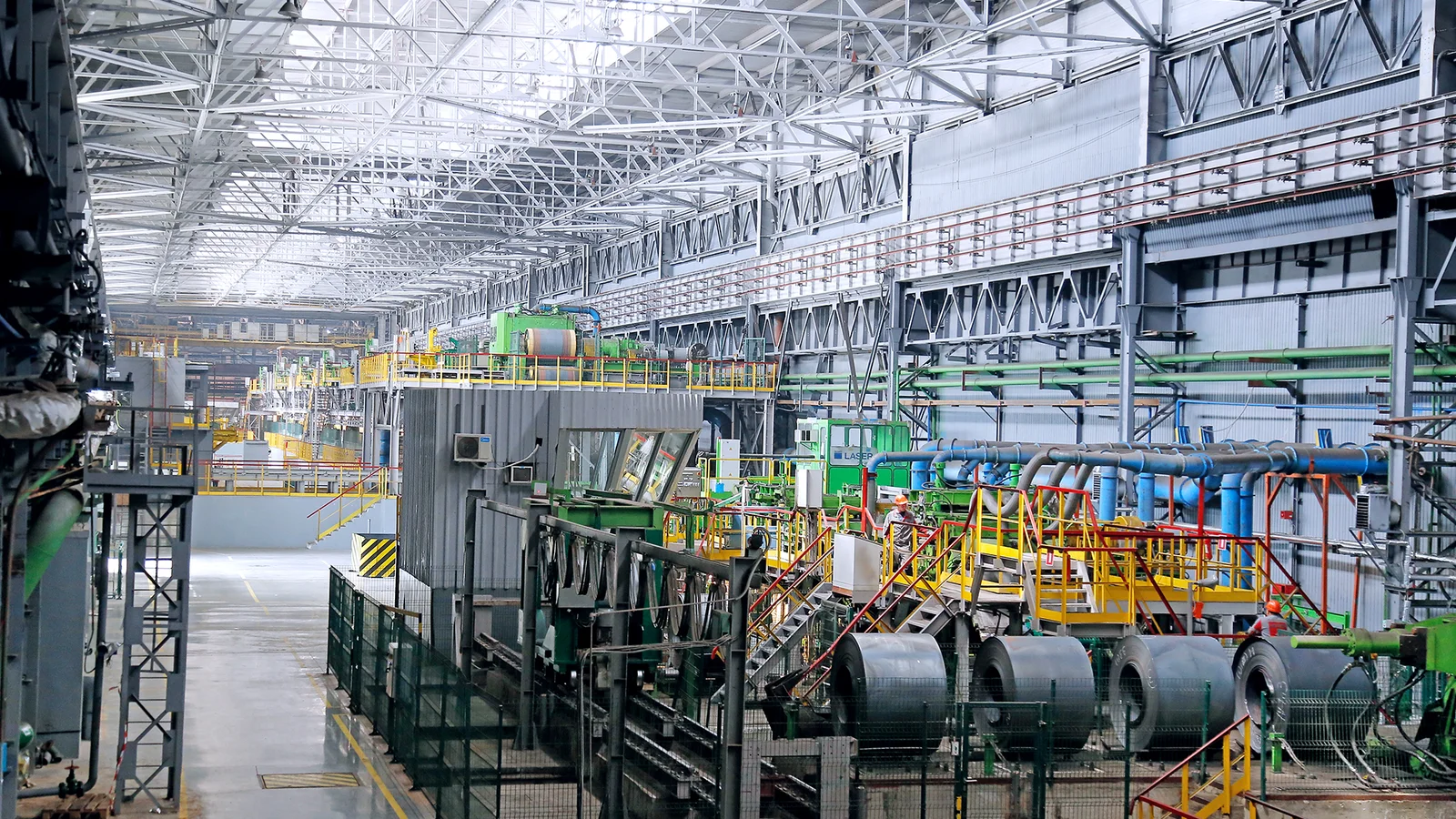
The result was a reduction in industrial wastewater discharge into the Dnipro River of 1.5 million m³.
The investment in the construction of CPL-4 exceeded UAH 1.6 billion.
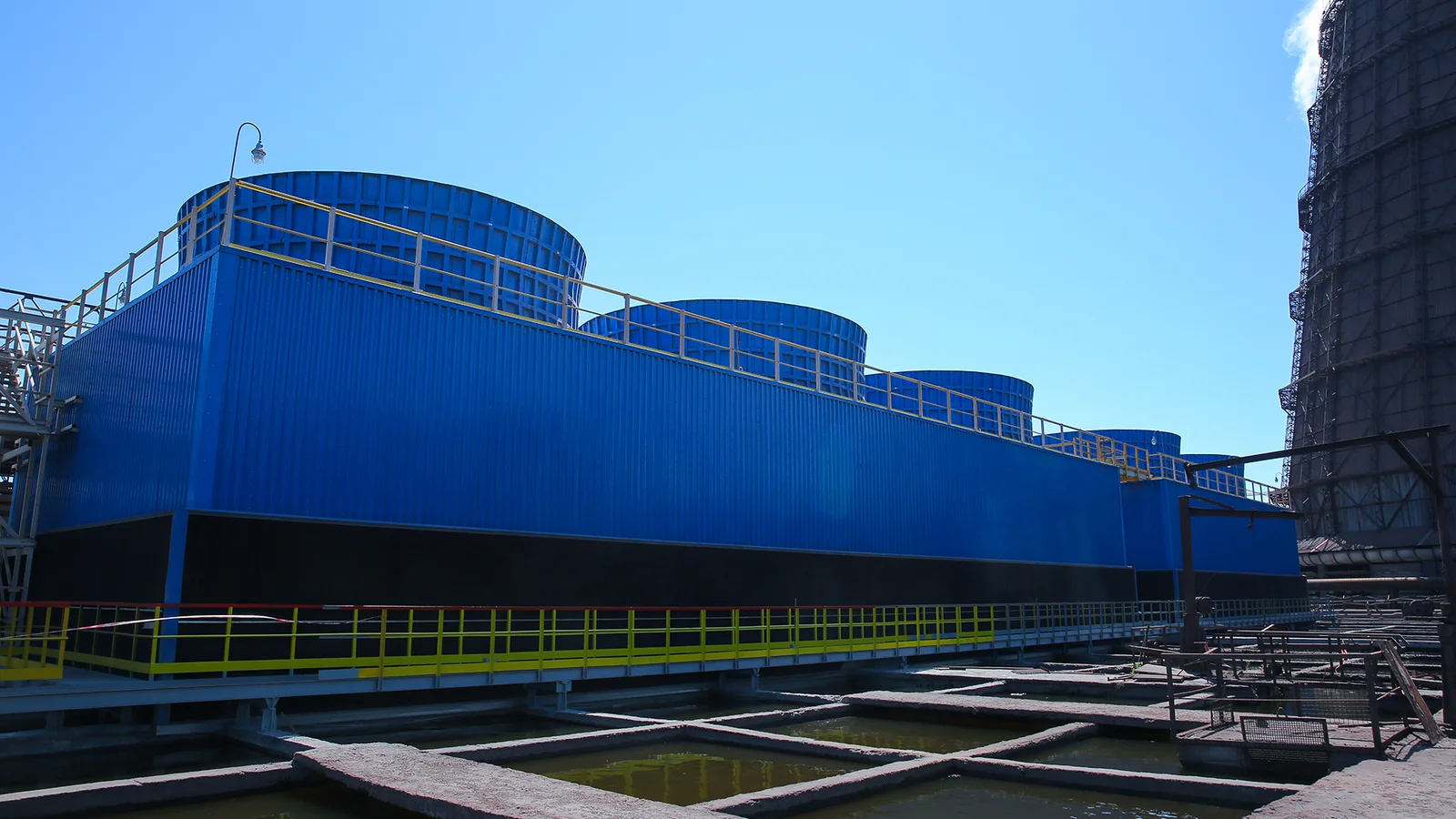
Another step towards the rational use of water resources was the commissioning in 2018 of a new five-cell cooling tower for the blast furnace production. The equipment provides cooling of recirculating water and maintains the optimum operating temperature for the blast furnaces.
Total investment in the project amounted to UAH 40 million.
The cooling tower operates on a closed-loop water supply system using treated wastewater. As a result, the enterprise reduces water intake from the Dnipro basin by 4.8 million m³ each year and reduces wastewater discharge by the same amount.
In addition to its environmental benefits, the project also delivered significant energy savings, reducing electricity consumption by approximately 1 million kWh per year.
In March 2019, the enterprise commissioned an industrial wastewater interception system. It collects industrial and wastewater runoff and directs it through a multi-stage treatment process: first to a filtration station and then to a disinfection unit. After that, the treated water is returned to the recirculating water system and reused in production.
The result was a reduction in industrial wastewater discharge into the Dnipro River of 5 million m³ annually. Total investment in the project amounted to UAH 58.5 million.
A Second Life for Waste Resources
In 2015, Zaporizhstal commissioned the AMCOM slag processing complex for the recycling of industrial waste and the recovery of valuable materials for reuse in production. The unit extracts metal-bearing particles from steelmaking waste and returns them to the production cycle.
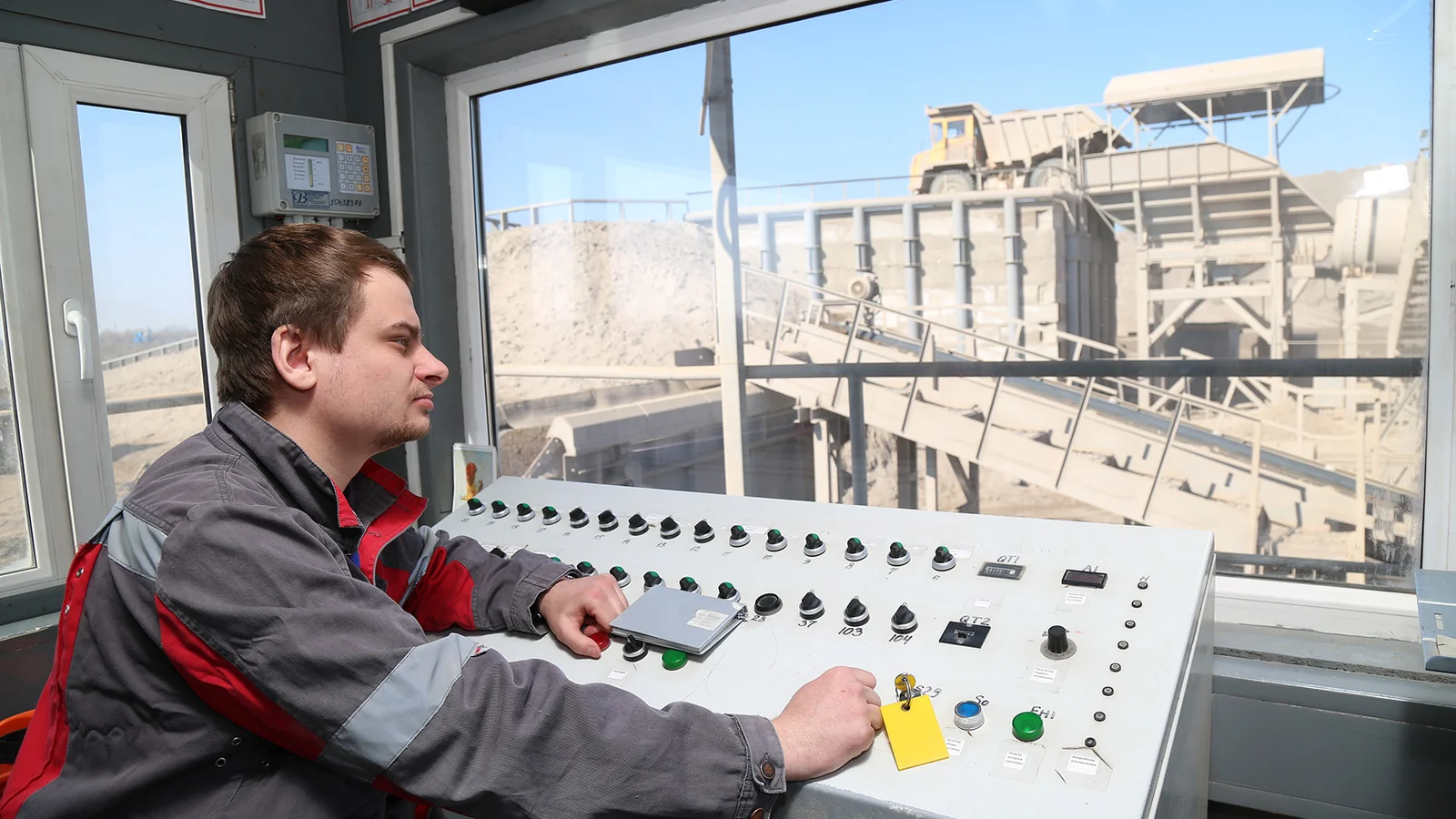
The complex has the capacity to process up to 150,000 tonnes of slag and recover up to 13,000 tonnes of metal-containing raw materials per month for reuse in Zaporizhstal's production processes.
One of the key outcomes of the complex is the reduction of industrial waste accumulated over decades and the prevention of further waste accumulation. This ensures more efficient use of landfill areas and reduces the environmental impact of industrial activities.